
In communities across the United States, Veterans of Foreign Wars posts serve as pillars of civic life. They organize Memorial Day ceremonies, support youth scholarships, assist veterans in need, and provide a place where those who served overseas can gather in fellowship.
The national mission of the Veterans of Foreign Wars is clear: “to foster camaraderie among U.S. veterans who served in overseas conflicts, advocate on behalf of veterans and their families, and strengthen communities through service and patriotism.”
Membership in the organization is not open to the general public. To qualify, veterans must have served in designated foreign conflicts or received a campaign or expeditionary medal for overseas service.
In small towns, however, the reality of how individual posts operate can vary widely.
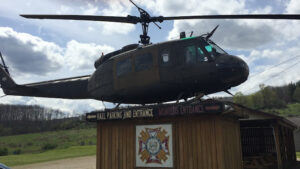
In Cuba, New York, some members and community observers say the local VFW post has gradually drifted away from the mission outlined by the national organization.
Questions About Membership Verification
National VFW bylaws require documentation confirming that applicants meet eligibility requirements, typically through military records such as the DD-214 and proof of qualifying medals or overseas service.
Several individuals familiar with the local post say questions have occasionally arisen about whether eligibility documentation is consistently reviewed when individuals join or maintain membership.
While many veterans take pride in meeting the organization’s qualifications, some members say the verification process can become informal in smaller posts where many members know one another personally.
Membership eligibility is typically handled internally within the organization, and questions about documentation are usually resolved through state or national VFW channels.
A Social Culture That Overshadows the Mission
Like many veterans’ organizations, the Cuba post operates a bar and social space. These activities have historically generated revenue to support veterans’ programs and community events.
Some observers, however, say the post’s atmosphere increasingly resembles that of a neighborhood bar rather than a veteran’s service organization.
Regular patrons reportedly include many individuals who are not veterans, and some members say that social drinking has become the primary draw for attendance.
Veterans’ organizations nationwide are facing challenges as their members age, and maintaining a physical clubhouse becomes more difficult due to changing economic conditions and competing service activities.
Financial Transparency and Oversight
Another topic raised by some members involves financial transparency.
Several individuals familiar with the post’s operations say a small group of long-time members has historically handled financial responsibilities. While this arrangement may reflect years of trust and experience, some members say broader financial reporting and participation could strengthen confidence among the membership.
Nonprofit governance experts often recommend multiple signatories on accounts, routine reporting to members, and regular audits to ensure transparency and accountability.
Many successful veteran organizations have adopted these practices to maintain trust within their membership.
Cultural and Generational Divides
Several attendees also describe a generational divide within the organization.
The U.S. military has grown increasingly diverse over the past several decades, and younger veterans often bring different expectations about leadership, inclusivity, and organizational culture.
Some members say that conversations at the post occasionally include language or attitudes that reflect an earlier era, including outdated racial terminology during discussions of politics or social issues.
While such comments may not represent the views of all members, they can create discomfort for younger veterans or community members visiting the post.
Resistance to Organizational Change
Across the country, veterans organizations face a common challenge: balancing long-standing traditions with the need to adapt to new generations of veterans.
Some individuals familiar with the Cuba post say that proposals for procedural changes or updates—sometimes recommended by VFW national leadership—have been met with skepticism by portions of the membership.
Observers note that this resistance to change is not unique to one community. Many legacy organizations struggle with similar tensions as they navigate generational transitions.
The Importance of the Mission
Despite these concerns, many members remain deeply committed to the organization’s purpose.
Veterans’ organizations like the VFW hold symbolic importance that extends beyond their buildings. They represent the shared experience of military service and the bond among those who served overseas.
When posts remain focused on that mission, they can serve as powerful forces for good in their communities.
When questions arise about governance, culture, or direction, those conversations—however uncomfortable—can become opportunities to strengthen the organization.
For veterans and communities alike, maintaining the integrity of institutions built on service and sacrifice remains an important responsibility.
A final observation
Institutions rarely collapse dramatically. Most drift, slowly and quietly, as habits replace purpose.
Occasionally, someone pauses and asks whether the organization still reflects the ideals that created it. That moment, uncomfortable as it may be, is often where renewal begins.
This article is a community submission from an anonymous John or Jane Doe. It has been rewritten and edited for publication. The views expressed in this submission are those of the author and do not necessarily reflect the opinions of the publishing outlet.